Footprint Scout: How Modern Scouting Software Is Reshaping Player Recruitment

Football scouting software is a category of digital tools that combine player data, video footage and workflow management so that scouts, coaches and sporting directors can identify, compare and track talent more systematically than traditional watch-list scouting allows. Footprint Scout is one example of this category: a soccer scouting platform that merges statistical profiles, searchable databases and contextual recommendations into a single working environment. In practical terms, it replaces scattered spreadsheets and personal notebooks with a shared system that an entire recruitment department can use at once.
For most of football's history, recruitment ran on relationships and reputation. A trusted scout watched a player, wrote a report, and passed it up the chain. That model still has value, but it does not scale, and it is vulnerable to bias: recency bias, where a scout overweights a player's last performance, or halo effect, where one standout trait colours judgement of everything else. The rise of football analytics and searchable scouting databases has not replaced the human eye, but it has changed what that eye is allowed to miss.
What Football Scouting Software Actually Does
At its core, a scouting platform does three jobs: it stores data, it makes that data searchable, and it turns raw numbers into something a coach or director can act on. Public data providers such as Opta, StatsBomb, Wyscout and FBref have spent years building the statistical backbone of modern football analytics, tracking everything from pressing intensity to shot quality models that estimate how good a chance was rather than just whether it went in. Scouting software takes that layer of information and wraps it in tools built specifically for recruitment: filters, shortlists, comparison views and reporting templates.
This matters because raw data on its own is not scouting. A spreadsheet of a thousand players is not a shortlist. The value of a platform like Footprint Scout is in the translation: turning a league's worth of statistical noise into a small, defensible list of names that fit a specific tactical need.
The Core Components of a Modern Soccer Scouting Platform
Data and Statistical Profiling
Every serious platform needs a robust data layer. This includes standard output metrics (goals, assists, defensive actions) alongside more advanced measures like progressive passing, pressing resistance, or expected threat models that estimate a player's contribution to chance creation across a whole sequence of play, not just the final pass. Sporting directors increasingly expect this data to be filterable by age, contract status, league tier and physical profile, which is exactly the kind of task suited to a searchable tool like Footprint's /search function, where AI-assisted and manual filters can be combined to build a shortlist in minutes rather than days.
Video and Context
Numbers describe what happened; video explains how. A high pressing-actions count might reflect genuine tactical intelligence, or it might reflect a team system that forces every player into constant pressing regardless of individual quality. Good scouting software links statistical outliers directly to clipped footage, so a scout can verify in seconds whether a number reflects real skill or system noise.
Workflow, Collaboration and Institutional Memory
Recruitment fails most often not because clubs lack information, but because that information lives in someone's head or inbox and disappears when they leave. A proper platform creates institutional memory: shared shortlists, standardised report formats and a searchable history of every player a club has ever assessed. This is where a public-facing database such as Footprint's /explore/players becomes useful even outside a live transfer window, letting staff browse players, clubs and leagues to build long-term knowledge rather than scrambling only when a need arises.
Why Football Analytics Alone Isn't Enough
Here is where I will state a clear opinion: clubs that treat football analytics as a replacement for scouting judgement are making a mistake, and clubs that ignore analytics entirely are making an equally serious one. The correct posture is integration, not substitution.
Data is extremely good at answering certain questions. It can tell you, with reasonable confidence, whether a striker's underlying shot quality suggests he is finishing above or below what a typical player would from the same positions. It can flag a central midfielder whose progressive carries and pass completion under pressure suggest he could operate in a higher possession-based system, sometimes described as a positional play approach built around overloading zones and manipulating the opposition's defensive shape.
What data struggles with is character, coachability, and fit within a dressing room. It cannot fully capture whether a player will adapt to a new country, a new language, or a manager who demands a different role than the one he has played his whole career. This is why the best recruitment departments use software to narrow the field, then rely on human scouts and sporting directors to make the final judgement.
How Footprint Scout Fits Into the Modern Recruitment Process
A typical modern recruitment workflow using a platform like Footprint Scout might look like this:
- Define the tactical need. A sporting director identifies a gap, for example a left-footed centre-back comfortable in a back three who can also step into midfield during build-up.
- Build an initial pool using /search, filtering by position, age, league, contract length and key statistical thresholds relevant to the role.
- Cross-reference candidates against club history and market context using /explore/players, checking prior clubs, minutes played and any documented injury patterns.
- Use /discover to surface personalized, team-contextual recommendations that account for a club's existing tactical identity and squad balance, rather than generic rankings.
- Narrow the list to a handful of names for in-person or extended video scouting, where human judgement takes over.
- Log the final report back into the system, whether or not the move happens, so the knowledge is retained for future windows.
This kind of structured process is precisely what separates clubs that recruit consistently well from those that rely on isolated hits and misses. It also reduces the risk of a single influential voice pushing through a signing that the data would have flagged as a poor tactical fit.
A Practical Checklist for Evaluating Scouting Software
Not all platforms are built the same way, and clubs at different levels have different needs. Before adopting any football scouting software, it is worth checking whether the tool offers:
- Transparent data sourcing, ideally drawing on or benchmarked against recognised providers such as Opta, StatsBomb or Wyscout
- Filterable, searchable player databases that go beyond basic headline stats
- Video integration linked directly to statistical events, not stored separately
- Collaborative workflow features so scouts, analysts and directors work from one shared shortlist
- Contextual or personalized recommendations that account for a club's specific system and squad needs, rather than one-size-fits-all rankings
- Historical tracking, so past reports and decisions are searchable rather than lost
A platform missing several of these is unlikely to deliver real recruitment value, however polished its interface looks.
The Risks of Over-Reliance on Data
It would be dishonest to write about scouting software without naming its failure modes. Data can be misleading when sample sizes are small, when a player has switched roles mid-season, or when league quality differs so much that raw numbers do not translate. A striker's output in a lower-intensity league may look statistically excellent while masking a lack of physical readiness for a more demanding one. This is why qualitative context, injury history, tactical fit, temperament, always has to sit alongside the numbers.
My view is that the clubs winning the recruitment game over the next decade will not be the ones with the most data, since almost everyone now has access to broadly similar public datasets. They will be the ones who build the best process for combining that data with scouting judgement quickly and consistently, using platforms like Footprint Scout to remove friction rather than remove people from the decision.
Frequently Asked Questions
What is football scouting software used for?
Football scouting software is used to identify, compare and track potential signings by combining statistical data, video footage and collaborative workflow tools in one place. It helps recruitment teams move from a vague need, such as "we need a faster winger," to a shortlist of specific, data-supported names.
How is a soccer scouting platform different from basic football statistics websites?
A basic statistics website typically shows numbers for individual players in isolation. A full scouting platform adds searchable filtering, video linkage, shortlist management and team-context recommendations, turning raw data into an actual recruitment workflow rather than a reference page.
Can football analytics replace human scouts?
No, and treating it that way is a common and costly mistake. Analytics is excellent at narrowing a large pool of players down to a manageable shortlist based on measurable traits, but factors like coachability, character and tactical adaptability still require human scouting and judgement.
What should a club look for when choosing scouting software?
Clubs should prioritise transparent data sourcing, strong filtering and search capability, video integration tied to statistical events, collaborative reporting features and contextual recommendations tailored to their own tactical system. Tools that offer only raw numbers without workflow or context tend to add clutter rather than clarity.
Is scouting software only useful for big clubs with large budgets?
No, smaller clubs arguably benefit more, since they cannot rely on large scouting networks and need efficient tools to compete for undervalued talent. A well-used soccer scouting platform can help a smaller recruitment department cover far more ground than traditional methods alone would allow.
Scout smarter with Footprint
AI-powered player search, deal feasibility and scouting reports — built for agents, scouts and sporting directors.
Start freeMore from the blog
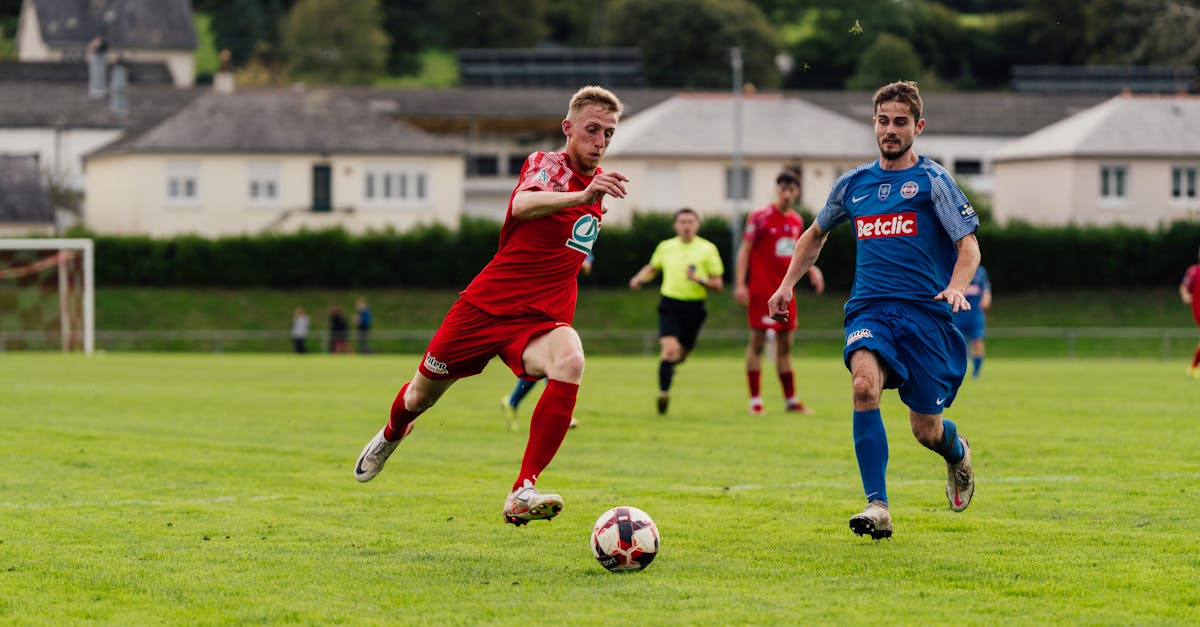
How Scouting Software Is Reshaping the Way Agents Find Talent
How scouting software, football analytics and recruitment platforms are transforming how agents identify, verify and sign talent today.