Scouting for a High-Press System: The Traits That Actually Translate
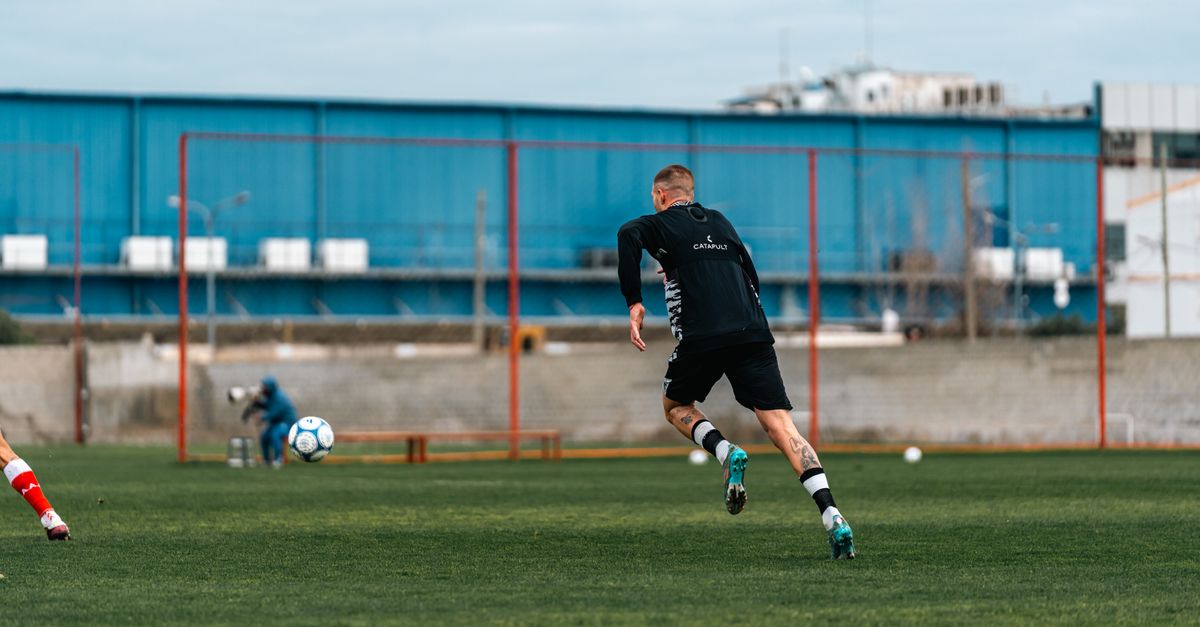
A high press is a defensive tactic where a team pressures the opponent far from its own goal, aiming to win the ball back quickly in dangerous areas rather than retreating into a mid-block. Scouting for a high-press system means identifying players whose physical, cognitive and technical profiles hold up under that specific stress, not just players who look good in open, low-intensity football. The traits that actually translate are rarely the obvious ones like raw speed; they are usually about anticipation, recovery mechanics and composure on the ball under duress.
Most recruitment departments already know they need "press-resistant" players and "aggressive" defenders. The problem is that these labels get applied loosely, often based on a handful of clips or a reputation built in a different tactical context. A center back who thrives in a patient back three can look completely lost in a system demanding constant one-on-one duels near the halfway line. Good scouting for a high-press system requires breaking the tactic down into its component demands and testing candidates against each one individually.
What "Translates" Actually Means in Recruitment Terms
In player recruitment, "translation" refers to whether a skill or attribute demonstrated in one tactical environment will hold up in another. A winger who presses effectively in a lower-intensity league may lack the acceleration or recovery speed to execute the same job in a competition with faster buildup play. This is why traditional scouting reports built around highlight reels are dangerous: they show a player succeeding, but not necessarily under the conditions your system will demand.
The fix is to separate transferable traits from context-dependent output. Goals, assists and even tackle counts are heavily shaped by team structure. Traits like anticipation, first-step quickness and decision-making speed are far more stable across systems, which makes them better predictors of whether a player will succeed in your specific high press.
The Physical and Athletic Baseline
A high press punishes poor physical preparation more than almost any other tactic. Players are asked to sprint repeatedly over short distances, decelerate under control, and immediately re-accelerate in a different direction. This is different from the long, sustained running associated with a mid-block system.
Key physical traits to prioritise include:
- Repeat sprint ability: the capacity to produce near-maximal sprints multiple times in a short window without significant drop-off, rather than a single impressive top speed.
- Deceleration control: the ability to stop and change direction sharply, since most pressing actions end in a duel or a tackle rather than a straight sprint.
- First-step quickness: explosive acceleration over the first few metres, which determines whether a press arrives in time to affect the pass.
- Recovery pace: speed used defensively to close down space after the initial press has been beaten, often overlooked in favour of attacking speed metrics.
Physical data from tracking providers can help here, but qualitative video review remains essential. Watching how a player decelerates into a tackle, rather than just how fast they cover ground, tells you far more about press suitability.
Cognitive and Perceptual Traits
The best pressing players are not simply the fastest; they are the ones who read the game earliest. A pressing trigger is a specific cue, such as a heavy touch, a sideways pass, or a receiving player facing their own goal, that tells a team it is the right moment to press aggressively. Players who understand these triggers instinctively press less often but more effectively, because they are not reacting late or gambling blindly.
Scouts should look for players who:
- Press in coordinated waves rather than sprinting alone and getting bypassed.
- Use a cover shadow, positioning their body to block a passing lane to one opponent while still applying pressure to another, rather than pressing in a straight line.
- Show patience before committing, waiting for the trigger rather than chasing the ball on instinct.
- Recover into a covering position immediately if the initial press fails, protecting the team's rest defense (the defensive shape and player positioning maintained in case possession is lost during an attack).
This perceptual layer is where video analysis earns its value. Frame-by-frame review of pressing sequences reveals whether a player is truly reading cues or simply running hard and hoping for the best.
Technical Traits Under Pressure
A high-press system inevitably invites turnovers in unpredictable areas of the pitch, which means technical composure under duress matters as much as pressing ability itself. Players in build-up roles need to retain the ball or play forward accurately even when facing immediate pressure, since a mistake in these zones is often more costly than one further from goal.
This is where public data resources become genuinely useful. Metrics like passes per defensive action, tracked publicly through providers such as Opta and made accessible through sites like FBref, give a reasonable proxy for how intensely a team presses, and by extension how technically composed opponents need to be against them. Wyscout and StatsBomb data can help identify players who maintain passing accuracy and progressive passing output even in matches against high-pressing opposition, which is a strong qualitative signal of press resistance.
Using Data and Video Together
No single data source tells the full story, and treating any provider's output as gospel is a common recruitment mistake. Transfermarkt remains useful for market context and career trajectory, but tactical fit has to be assessed through a blend of statistical screening and manual video review. A sensible workflow starts with a broad statistical filter to build a shortlist, then narrows that list through targeted video analysis focused specifically on pressing actions rather than general highlights.
This is precisely the gap that modern scouting platforms are built to close. Using a tool like Footprint's /search feature to filter players by pressing-relevant statistical profiles can quickly surface candidates who might be missed by traditional reputation-based scouting. From there, cross-referencing those names against a wider database such as /explore/players helps confirm league context, age profile and contract status before committing further scouting resources.
A Practical Scouting Checklist
When assessing a specific target for a high-press system, it helps to work through a consistent, repeatable process rather than relying on gut feeling alone.
- Confirm the player's current tactical context: are they already pressing regularly, or would this be a significant system change?
- Review multiple full matches, not just clips, focusing specifically on pressing sequences and recovery runs after the press is beaten.
- Assess repeat sprint output and deceleration mechanics using available physical or tracking data where possible.
- Check technical composure under pressure using progressive passing and ball retention metrics from providers like StatsBomb or Wyscout.
- Cross-check age, injury history and contract length, since a high-press system places extra physical demand on the body over a season.
- Where relevant, use a contextual recommendation tool such as /discover to compare the target against players already succeeding in structurally similar systems.
This kind of layered process protects against the most common recruitment error in this space: assuming a player who presses well in one context will automatically do so in another.
Where Recruitment Teams Get It Wrong
The most frequent mistake in scouting for pressing systems is over-weighting output metrics like tackles or interceptions without asking what tactical structure produced them. A high defensive-action count can just as easily reflect a poorly organised team conceding territory as it can reflect elite pressing quality. Context always has to come first.
The second common mistake is ignoring the mental and perceptual side of pressing entirely. Physical testing is straightforward and quantifiable, so it often dominates recruitment discussions, while trigger recognition and cover shadow discipline get treated as unmeasurable and are quietly dropped from the process. In reality, these cognitive traits are exactly what separates a player who presses effectively within a coordinated system from one who simply runs a lot.
Good scouting for a high-press system, done properly, blends structured data screening, careful video review and honest tactical context assessment. Clubs that skip any one of these steps tend to sign players who look the part statistically but break down tactically once the football gets faster and more chaotic.
Frequently Asked Questions
What is a high press in football tactics?
A high press is a defensive approach where a team applies pressure on the opponent high up the pitch, often close to the opponent's own goal, in order to win possession back quickly rather than retreating into a deeper defensive shape. It relies on coordinated movement between multiple players rather than one individual chasing the ball alone.
What is gegenpressing and how does it relate to a high press?
Gegenpressing is a specific form of high pressing focused on winning the ball back within seconds immediately after losing possession, exploiting the fact that the opponent is often disorganised right after a turnover. It is closely associated with high-intensity systems and places extreme demands on repeat sprint ability and quick decision-making.
Which physical traits matter most when scouting for a high-press system?
Repeat sprint ability, sharp deceleration control and explosive first-step acceleration matter more than raw top speed alone. Players also need strong recovery pace to reposition quickly if an initial press attempt is beaten by the opposition.
Can data alone identify good pressing players?
Data is a strong starting filter but not sufficient on its own, since metrics like defensive actions can be shaped heavily by team structure rather than individual quality. Combining statistical screening from sources like FBref, Opta, StatsBomb or Wyscout with focused video review of actual pressing sequences produces far more reliable conclusions.
How does cover shadow positioning help a pressing player?
A cover shadow lets a player block a passing lane to one opponent while simultaneously pressuring another, effectively defending two options at once. Players who use this well press less frequently but far more efficiently, since they force turnovers without needing to win every individual duel.
Scout smarter with Footprint
AI-powered player search, deal feasibility and scouting reports — built for agents, scouts and sporting directors.
Start freeMore from the blog

Recruiting for Possession vs Transition: Building a Squad Around Your Playing Style
Signing talent is not the same as signing fit. How possession and transition systems demand different profiles, and how to recruit for the style you play.

Why Tactical Scouting Reports Decide Whether Signings Actually Work
Tactical scouting reports reveal whether a player's role fits your system before signing. Here's why they decide recruitment success.

Why Tactical Suitability in Soccer Should Drive Every Recruitment Decision
Tactical suitability, not raw talent, should guide every player recruitment decision. Learn how it shapes squad building, chemistry and depth.