Reading the Game: What Defensive Player Attributes Reveal About Modern Football
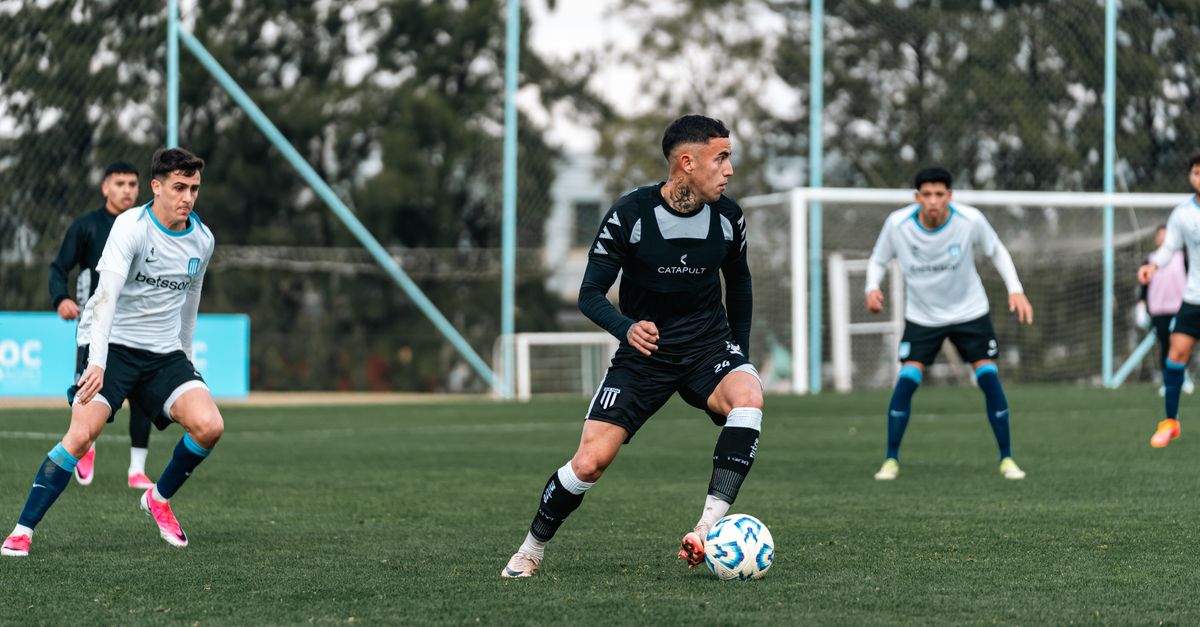
Reading the Game: What Defensive Player Attributes Reveal About Modern Football is the practice of judging a defender by technical, physical and cognitive traits, not just tackles and clearances, in order to understand how a team wants to play. Defensive player attributes such as positioning, passing range, pressing intensity and recovery speed now say more about a club's tactical identity than almost any other data point available to a scout. A recruiter who reads these traits correctly can predict how a player will function inside a specific system long before that player kicks a ball for the club.
For most of football's history, defenders were judged against a short checklist: could they win the ball, and could they clear it. That framework has quietly collapsed. Elite teams now build their entire attacking structure from defensive positions, which means the old scouting language is no longer good enough. This piece breaks down what modern defensive attributes actually reveal, and how coaches, sporting directors and scouts can use that information properly.
Why Defensive Player Attributes Matter More Than Ever
Possession-based systems and coordinated pressing structures have changed what a defender is asked to do on a weekly basis. Gegenpressing, a coordinated counter-press designed to win the ball back within seconds of losing it, only works if defenders can read space and close passing lanes instantly rather than simply reacting to the ball. Similarly, teams that build from the back need central defenders and fullbacks who can receive under pressure and progress the ball, not just clear it into row Z.
This shift means traditional defensive stats, tackles made, clearances, interceptions, tell only part of the story. A center back who rarely tackles because his positioning prevents attackers from ever getting into a dangerous area is doing his job better than one who makes constant last-ditch challenges. Tactical analysis has to account for this: the absence of an action is often more informative than its presence.
Scouting Modern Fullbacks: From Marker to Playmaker
No position has changed more visibly than the fullback. Scouting modern fullbacks now means assessing players who are expected to defend one-on-one situations, overlap into wide attacking areas, and in many systems, invert into midfield during possession. An inverted fullback tucks infield rather than staying pinned to the touchline, helping the team overload central areas and control transitions after losing the ball.
When assessing a fullback today, a scout should look for a specific combination of traits:
- Positional intelligence: does the player understand when to stay wide, tuck inside, or drop into a back three during buildup
- One-versus-one defending: can they delay an attacker without overcommitting, buying time for cover
- Progressive passing: can they break lines with a pass rather than always going backward or long
- Recovery speed: can they get goal-side quickly after an attacking overlap breaks down
- Game intelligence under fatigue: do decision-making standards drop in the final third of matches
These attributes rarely show up cleanly in a single statistic. This is why platforms like Wyscout, Opta and StatsBomb are best used alongside video review rather than instead of it. On Footprint, this kind of layered profile building is exactly what the /search tool is designed for, letting recruiters filter by attribute combinations rather than relying on one headline number.
The Defensive Midfielder Profile: Football's Quiet Architect
If the fullback is the position that changed most visibly, the defensive midfielder profile is the one that changed most fundamentally. A defensive midfielder today is often the player who dictates a team's pressing triggers, a pressing trigger being a specific cue, such as a heavy touch or a pass into a tight area, that tells the whole team when to spring a coordinated press.
A strong defensive midfielder profile typically includes:
- Scanning frequency: how often the player checks their surroundings before receiving the ball
- Body orientation: whether their stance allows them to play forward immediately or forces a slower, sideways first touch
- Tackle timing: winning the ball at the right moment rather than simply winning it often
- Line-breaking passing: the ability to play a pass that eliminates an opposition line, not just a safe sideways ball
- Positional discipline, including use of a cover shadow, which is the space a defender's body position denies an opponent by physically blocking a passing lane
Clubs that get this position wrong often end up defensively fragile even when their nominal defenders are individually excellent, because the base of the structure is missing. This is a recurring theme in modern football recruitment: a single misjudged profile in a pivotal position can undo an otherwise well-built squad.
Tactical Analysis: Reading Shape, Space and Triggers
Good tactical analysis of defenders starts with shape rather than actions. Zonal marking, where players are responsible for a specific area of the pitch rather than a specific opponent, requires excellent spatial awareness and communication. Man marking, where a defender follows a specific opponent across the pitch, rewards physical discipline and concentration instead.
Analysts should also assess a team's rest defense, which is the defensive structure a side maintains while still in possession, designed to control transitions if the ball is lost. A fullback who bombs forward without regard for rest defense might look exciting in isolation, but can be a structural liability in a possession-heavy system. This is precisely the kind of context that raw statistics miss, and why tactical analysis has to sit alongside data rather than being replaced by it.
Building a Recruitment Framework Around Defensive Attributes
Football recruitment departments that treat defensive attributes seriously tend to follow a repeatable process rather than relying on gut instinct alone. A workable framework looks something like this:
- Define the system first: decide whether the target club presses high, sits mid-block, or defends deep, since this changes which attributes matter most
- Separate traits from outcomes: assess positioning and decision-making independently from tackles won or duels completed
- Cross-reference multiple sources: use FBref or Transfermarkt for market and career context, Opta or StatsBomb-style event data for tendencies, and full match video for context those numbers cannot capture
- Test transferability: consider whether a player's current attributes will survive a league or system change, not just whether they look good in their current role
- Build a shortlist, not a single name: keep several viable profiles per position to protect against a single deal collapsing
Sporting directors increasingly want this process to be transparent and defensible to boards and ownership groups, not just intuitive to a single scout. Tools built for this exact purpose, such as Footprint's /explore/players database, let recruitment teams browse defenders across leagues and clubs with consistent attribute framing, while /discover generates team-contextual recommendations based on how a specific squad actually plays rather than generic rankings.
Where Data and the Eye Test Meet
Here is the clear opinion worth stating plainly: clubs that still recruit defenders primarily on outcome stats, tackles, blocks, aerial duels won, are working from an outdated model, and it will show up in results within a season or two. The modern game punishes teams that cannot build from the back, and it exposes defenders whose attributes do not match the system around them, regardless of how good their raw numbers look in isolation. Recruitment built on defensive player attributes, tested against a specific tactical plan, consistently outperforms recruitment built on reputation or highlight reels, and that gap is only going to widen as more clubs adopt possession-based, press-triggered systems.
Frequently Asked Questions
What are the most important defensive player attributes for a modern fullback?
The most important defensive player attributes for a modern fullback are positional intelligence, one-versus-one defending, progressive passing and recovery speed. Increasingly, the ability to invert into midfield during possession is also essential, since many systems now ask fullbacks to help control central areas rather than staying fixed to the touchline.
How does a defensive midfielder profile differ from a traditional central defender profile?
A defensive midfielder profile places more weight on scanning frequency, body orientation and line-breaking passing, since the role often dictates when a team presses and how it transitions from defense to attack. A central defender profile leans more heavily on positioning relative to the last line, aerial ability and communication with a back line partner.
Can traditional stats like tackles and interceptions still be trusted in scouting?
Traditional stats still have value but should never be read in isolation, since a low tackle count can reflect excellent positioning rather than poor defending. Tactical analysis and video review are needed to interpret what a statistic actually represents within a specific system.
Which public tools are useful for analysing defensive attributes?
FBref, Opta, StatsBomb, Wyscout and Transfermarkt are all established, publicly referenced tools for building defensive profiles, each offering a different mix of event data, market context and career history. None of them replace direct video analysis, but combined they give a strong evidence base for football recruitment decisions.
Why do some technically excellent defenders fail after a transfer?
Most failed transfers involving defenders come down to a mismatch between a player's attributes and the tactical demands of the new system, rather than a decline in ability. A defender built for a deep, reactive block will often struggle in a high-pressing, possession-first team, even if their underlying technical quality has not changed at all.
Scout smarter with Footprint
AI-powered player search, deal feasibility and scouting reports — built for agents, scouts and sporting directors.
Start freeMore from the blog
Beyond the Eye Test: A Modern Framework for Football Talent Identification
A practical framework for combining scouting, data and tactics in modern football talent identification and player evaluation.

Winger Scouting Criteria: What Separates Elite Wide Players From the Rest
A practical breakdown of winger scouting criteria: technical, tactical and physical markers that separate elite wide players from the rest.
Set-Piece Specialists: The Overlooked Recruitment Edge
Why set-piece specialists, aerial threat and dead-ball delivery deserve a bigger role in scouting, tactics and recruitment strategy.