Winger Scouting Criteria: What Separates Elite Wide Players From the Rest

Winger scouting criteria are the specific technical, tactical, physical and psychological markers that separate a genuinely elite wide player from a merely useful one: explosive one v one dribbling (beating a defender in an isolated duel), consistent chance creation, defensive work rate off the ball, and the tactical intelligence to interpret space in different systems. A player who ticks most of these boxes will influence matches regardless of formation; a player who only ticks one or two will be exposed the moment the opposition adjusts.
Most recruitment departments still talk about wingers in vague terms: pace, flair, a good final ball. That language is fine for a matchday programme, but it is useless for player recruitment, the process of identifying, evaluating and signing players who fit a club's tactical and financial model. This piece breaks winger scouting criteria down into a framework you can actually apply, whether you are building a shortlist for a Championship club or refining a data model for a Bundesliga academy.
Why Winger Scouting Criteria Have Changed
The role of the winger has shifted dramatically over the last decade. Under classic 4-4-2 or 4-3-3 structures, a winger's job was largely to hug the touchline, beat the full back and deliver crosses. Modern tactical analysis, the systematic study of team and player behaviour in and out of possession, shows a much broader remit. Inverted wingers now cut inside to shoot or combine centrally, wide forwards press high to trigger a team's counter-press, and inverted full backs push wingers to occupy half spaces rather than the touchline.
This evolution means scouting criteria have to move beyond raw output. A winger who scores goals from a narrow, inside-forward role in a possession-heavy system will not automatically succeed in a direct, transition-based team that needs him to stretch play and isolate a full back. Context is everything, and any serious player evaluation has to account for it.
The Core Technical Traits Every Elite Winger Needs
Before looking at systems and physical profiles, it helps to isolate the technical foundation. These are the traits that show up on the ball, in tight spaces, under pressure.
- First touch under pressure: can the player receive on the half turn or with a defender tight to his back and keep the ball moving forward?
- One v one dribbling: does he have at least one reliable move, a body feint, a change of pace, a cut inside, that consistently beats a set defender?
- Final product: crossing accuracy, cutback quality, or the ability to finish himself, ideally more than one of these.
- Weak foot competence: can he cross, shoot or pass with his non dominant foot to a usable standard, or is he one footed and therefore predictable?
- Composure in the final third: does his decision making hold up when the game speeds up, or does quality drop under fatigue and pressure?
A winger missing two or more of these traits is rarely elite, even if his highlight reel looks spectacular. Highlight reels show the good moments; scouting criteria have to account for the other eighty minutes too.
Tactical Intelligence and Positional Versatility
Technical quality gets a winger noticed. Tactical intelligence is what makes him valuable inside a coherent system. This is where a lot of recruitment mistakes happen, because clubs sign a player for what he did in one structure and expect it to transfer directly into a different one.
Reading Space, Not Just Beating a Man
Elite wide players understand when to hold width and stretch a back line, and when to drift into the half space (the zone between a winger's usual touchline position and the central striker, often left unmarked by a back four) to combine with a number eight or a full back. This is a coachable skill, but the best wingers already show flashes of it before signing, which is why in-game positioning footage matters as much as end product in a highlights package.
Defensive Contribution Off the Ball
Modern tactical analysis places heavy emphasis on a winger's defensive shape: does he track back consistently, does he understand when to press the ball carrier and when to hold his position to block a passing lane, and does his effort level stay consistent when his team is defending a lead. A winger who ignores defensive responsibility becomes a structural weakness, particularly against sides that specifically attack down his flank.
Adaptability Across Formations
A winger who has only ever played in a back four system with an overlapping full back should be scouted differently to one used to a back three, where he often has more freedom to invert. Evaluating this adaptability properly usually means watching multiple matches against different opponents and formations rather than relying on a single standout performance.
Physical and Athletic Markers
Pace still matters, but it is only one part of the athletic profile, and clubs that scout on top speed alone routinely misjudge value. The more useful physical markers include:
- Acceleration over the first five to ten metres, which decides most one v one duels far more than peak sprint speed.
- Repeated sprint ability, the capacity to hit high intensity efforts multiple times in a match without significant drop off.
- Change of direction and balance, particularly under contact from a full back.
- Aerobic capacity to sustain both attacking width and defensive tracking over ninety minutes.
- Durability and injury history, which matters enormously for a position that relies on repeated explosive actions.
Athletic testing data from performance departments can support this, but qualitative video review remains essential, since raw physical numbers do not tell you how a player actually uses his speed in a live game context.
Data-Informed Player Evaluation
No modern recruitment process should rely purely on subjective eye tests, and no serious department should rely purely on data either. The strongest player evaluation blends both. Public platforms such as FBref, Opta powered dashboards, StatsBomb, Wyscout and Transfermarkt give scouts a qualitative sense of a winger's shot creation patterns, dribbling frequency, defensive actions and market context, even without quoting a specific figure for any individual player.
Used well, this data helps scouts ask better questions rather than replacing judgement entirely. Does a winger's chance creation come mostly from crosses or cutbacks? Is his shot volume driven by genuinely high quality positions or by attempting from range under pressure? Does his defensive activity spike only when his team is already winning the ball back easily? These are the qualitative questions that separate a rigorous scouting criteria framework from a spreadsheet exercise.
This is exactly the kind of layered evaluation that platforms like Footprint are built for. A scout building a shortlist can use /search to filter wide players by tactical role, physical profile and statistical tendencies rather than relying on reputation alone, browse /explore/players to compare a target against peers across leagues and age groups, and use /discover to see recommendations that are contextualised against a specific club's existing system and squad needs rather than generic rankings.
A Practical Scouting Checklist
When assessing a winger, a structured checklist keeps the process honest and repeatable across a scouting department. A useful working list includes:
- Consistency of one v one success across multiple matches and opponents, not just one standout game.
- Output split between crossing, cutbacks, and direct goal threat.
- Defensive discipline and positional awareness without the ball.
- Performance in big matches against stronger opposition, where space is tighter.
- Physical resilience, including recent injury history and workload trends.
- Mentality under pressure, particularly how he responds after a missed chance or a lost duel.
Common Mistakes in Winger Recruitment
The most frequent recruitment error is signing a winger purely on end product, goals and assists, without checking whether that output came from a system similar to the one he is joining. A winger who thrived as the auxiliary striker in a narrow front three can look completely different when asked to hold width in a wide 4-3-3.
A second common mistake is undervaluing defensive contribution because it is less visible than a dribble or a goal. Coaches who have to defend a lead late in a match know exactly how costly a winger who will not track back can be.
My Take: Prioritise Adaptability Over Flash
If I had to rank winger scouting criteria in order of importance, adaptability would sit at the top, above raw pace and above highlight reel end product. Systems change, coaches change, and squads evolve, but a winger who understands space, contributes defensively and can adjust his role within a match is far more likely to sustain value over a multi year career than one who only excels in a single, narrow tactical context. Clubs that build their recruitment criteria around adaptability, not just spectacular moments, consistently make better long term decisions.
Frequently Asked Questions
What is the single most important winger scouting criterion?
Adaptability across tactical systems is arguably the most important criterion, because it determines whether a winger's output will transfer to a new club's structure. Raw pace or highlight reel end product can be misleading if they only apply within one specific system.
How do scouts evaluate a winger's defensive contribution?
Scouts assess defensive contribution by watching tracking back consistency, positioning discipline when out of possession, and pressing intensity relative to the team's overall defensive scheme. This usually requires full match video review rather than highlight clips, since defensive work rarely appears in edited footage.
Should data or video be prioritised in winger recruitment?
Neither should be prioritised exclusively; the strongest player evaluation blends both. Data from tools like FBref, StatsBomb, Wyscout or Opta powered platforms helps identify tendencies and patterns, while video confirms context, decision making and tactical fit.
Why do some highly rated wingers fail after transferring clubs?
Most failures come from a mismatch between the tactical system that produced their output and the system at the new club. A winger reliant on an overlapping full back or a narrow front three can look ineffective in a structure that demands different spacing or defensive responsibility.
How can smaller clubs compete for elite wide player talent?
Smaller clubs can compete by identifying undervalued traits before they show up in headline statistics, particularly adaptability, defensive discipline and off ball movement. Using structured scouting criteria and platforms that combine data and contextual recommendations helps level the playing field against clubs with larger scouting budgets.
Scout smarter with Footprint
AI-powered player search, deal feasibility and scouting reports — built for agents, scouts and sporting directors.
Start freeMore from the blog
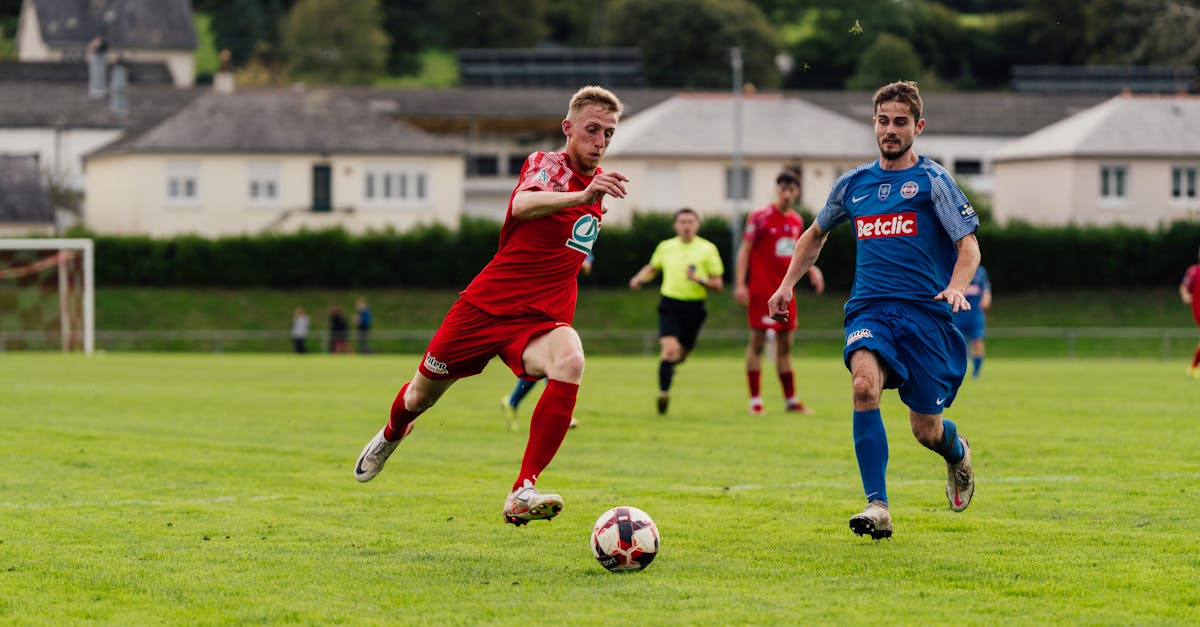
Beyond the Eye Test: A Modern Framework for Football Talent Identification
A practical framework for combining scouting, data and tactics in modern football talent identification and player evaluation.
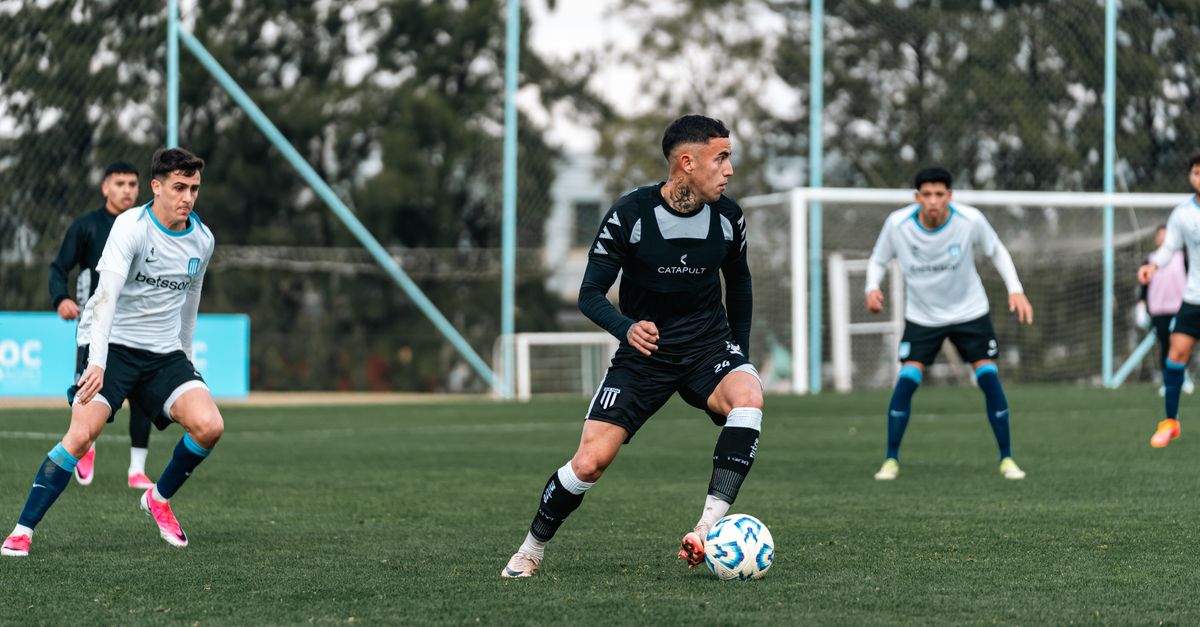
Reading the Game: What Defensive Player Attributes Reveal About Modern Football
How defensive player attributes reveal tactical identity, with a scouting guide to modern fullbacks and the defensive midfielder profile.

Set-Piece Specialists: The Overlooked Recruitment Edge
Why set-piece specialists, aerial threat and dead-ball delivery deserve a bigger role in scouting, tactics and recruitment strategy.