Set-Piece Specialists: The Overlooked Recruitment Edge

Set-piece specialists are players recruited specifically for their ability to influence dead-ball situations, whether through precise delivery, aerial dominance, or defensive organisation at corners and free-kicks. Set-Piece Specialists: The Overlooked Recruitment Edge describes a recruitment approach that treats dead-ball ability as a primary scouting criterion rather than a secondary trait attached to a player signed for other reasons. Clubs that build this into their tactics and recruitment strategy from the outset tend to extract disproportionate value relative to transfer fees paid, because the market still prices set pieces as a minor detail rather than a core competency.
Most recruitment departments still evaluate players through the lens of open-play output: pressing intensity, progressive passing, expected goals from open play. That is understandable, since open play accounts for most match time. But public data providers such as Opta and StatsBomb have long tracked that a substantial share of goals across professional leagues originate from set pieces, corners, free-kicks, throw-in routines and the second phase that follows them. If a meaningful proportion of goals scored and conceded comes from a phase of play that recruitment rarely scouts for directly, that is not a footnote. It is a blind spot, and blind spots are where smart recruitment finds its edge.
Why Set Pieces Are a Recruitment Blind Spot
The reason set-piece ability gets overlooked is structural, not accidental. Scouting reports are built around the metrics that are easiest to compare across leagues: carries, pressures, expected assists from open play. Set-piece contribution is harder to isolate because it depends on delivery quality, movement patterns, and marking schemes that vary from team to team. A player who looks average in a poorly coached set-piece system can look transformed once placed inside a well-drilled one, and vice versa. That volatility makes recruiters nervous, so many default to ignoring the phase almost entirely and hoping their existing squad sorts it out on the training ground.
This is a mistake. Set pieces are one of the few phases of the game that are almost entirely coachable and almost entirely repeatable. Unlike open-play creativity, which depends on unpredictable teammate movement and opposition pressure, a corner routine or free-kick delivery can be drilled to a level of precision that open play never allows. That means the players who execute these moments well are not benefiting from randomness. They are exploiting a skill that can be scouted, verified on video, and reproduced reliably across a season.
What a Set-Piece Specialist Actually Looks Like
Aerial Threat: The Physical Component
Aerial threat, the ability to win and direct headers consistently in contested situations, is the most visible component of set-piece specialism. It is not simply about height. Timing of the run, body positioning against a marker, and the ability to generate power from a stationary or near-stationary start all matter more than raw physical stature. Some of the best aerial threats in modern football are not the tallest players in their squad; they are the ones who understand blocking, screening and attacking the front or back post at the right moment.
Dead-Ball Delivery: The Technical Component
Dead-ball delivery, the technical skill of striking a stationary or near-stationary ball with a specific pace, trajectory and target zone, is the other half of the equation. A good delivery specialist does more than put the ball into a dangerous area. They vary pace and spin to disrupt a goalkeeper's decision-making, they identify which teammate is winning their individual battle in real time, and they adjust delivery accordingly. This is a technical craft that can be assessed on video with the same rigour as passing range or shot technique, yet it rarely receives the same scouting attention.
Building a Scouting Framework for Set-Piece Ability
A serious recruitment department should treat set-piece scouting as its own discipline within the broader tactics of squad building, not an afterthought bolted onto a report about a central defender or striker. A practical checklist for scouts assessing a potential set-piece specialist should include:
- Consistency of delivery quality across multiple matches and opponents, not a single highlight moment
- Aerial duel involvement and success rate in genuinely contested situations, not uncontested clearances
- Movement and timing on both first and second-phase set-piece situations
- Composure and technique under pressure in short corner or free-kick routines
- Versatility across corners, free-kicks, throw-ins and penalty-adjacent situations
- Defensive set-piece discipline, since a specialist who is a liability at the back cancels out their attacking value
This checklist works best when paired with structured video review through platforms like Wyscout, alongside statistical models available through StatsBomb or Opta that break down expected goals and expected threat by phase of play rather than treating all chances as equivalent. Scouts using Footprint's player search can filter for these underlying traits directly, rather than relying on reputation or a handful of remembered highlight clips.
Tactical Integration: From Scouting to the Training Ground
Identifying a set-piece specialist is only half the job. The player has to be integrated into a tactical structure that actually uses their strengths. This means coaches and recruiters need to be in dialogue before a signing is made, not after. A club that plays a low block and relies on counter-attacks needs a different profile of set-piece threat than a possession-dominant side that wins fewer transitions but earns more corners through territorial control.
A sensible process for aligning recruitment and tactics looks like this:
- Define the team's expected set-piece volume based on playing style, since a possession-heavy side will win more corners than a counter-attacking one
- Identify gaps in current aerial threat and delivery quality using both video and data
- Shortlist candidates whose profile matches the tactical system, not just the position
- Cross-reference shortlists against public databases such as Transfermarkt and FBref for market context and durability
- Validate final candidates through in-person or extended video scouting before committing
Sporting directors managing this process across multiple leagues benefit from centralised tools. Browsing a searchable league and club database through Footprint's public player explorer makes it far easier to compare set-piece output across competitions with different data coverage, which is often the biggest practical obstacle in cross-border recruitment.
Using Data and Video to Identify Hidden Value
The most efficient recruitment gains rarely come from chasing the same well-known names every other club is watching. They come from identifying undervalued traits in players who are otherwise off the radar. A holding midfielder with modest passing numbers but elite aerial timing at corners, or a full-back with average crossing volume but excellent delivery precision, can represent significant value if a club is actually looking for that specific trait.
This is where contextual, team-specific recommendation tools add real value. Rather than scrolling through generic shortlists, sporting directors can use a platform like Footprint's discover tool to surface players whose profile matches a specific tactical need, including set-piece output, filtered against the realistic constraints of budget and league level. This kind of targeted approach turns set-piece recruitment from a hopeful guess into a repeatable process.
The Recruitment Opinion: Prioritise Specialists, Don't Just Hope for Them
Here is the clear position worth stating directly. Clubs should stop treating set-piece ability as a bonus attribute and start treating it as a standalone recruitment priority, particularly for squads competing in the lower half of a table or fighting for promotion, where fine margins decide outcomes. The data available through public tools like Opta and StatsBomb consistently shows that set pieces are a repeatable, coachable source of goals in a way that open-play creativity is not. Ignoring that in recruitment is not neutral; it is a competitive disadvantage that costs points over a season.
The clubs that treat set-piece specialism seriously, building it into scouting criteria, tactical planning and squad depth, will keep finding value that their rivals overlook simply because they are not asking the right question at the recruitment stage.
Frequently Asked Questions
What is a set-piece specialist in football?
A set-piece specialist is a player recruited or valued specifically for their ability to influence dead-ball situations, such as corners, free-kicks and throw-ins, through delivery quality, aerial threat or tactical positioning. This ability is distinct from general open-play performance and can be assessed separately during scouting.
Why do clubs overlook set-piece ability in recruitment?
Most recruitment processes are built around open-play metrics because they are easier to compare across leagues, while set-piece contribution depends heavily on team system and delivery context. This makes it harder to isolate on a spreadsheet, so many clubs deprioritise it despite its proven impact on goals scored and conceded.
How can scouts measure dead-ball delivery quality objectively?
Scouts can combine structured video review, using platforms like Wyscout, with statistical models from providers such as Opta or StatsBomb that separate set-piece expected goals and expected threat from open-play numbers. Consistency across multiple matches and opponents matters more than a single standout moment.
Does aerial threat depend mainly on height?
No, height helps but timing, positioning and the ability to win separation from a marker matter just as much. Some of the most effective aerial threats in modern football are not the tallest players on the pitch, they simply time their movement and contact better than opponents.
How should sporting directors integrate set-piece scouting into tactics?
Sporting directors should align scouting criteria with the team's actual playing style, since a possession-based team generates different set-piece volume and situations than a counter-attacking one. Recruitment and coaching staff should agree on required profiles before a shortlist is built, not after a signing is already made.
Scout smarter with Footprint
AI-powered player search, deal feasibility and scouting reports — built for agents, scouts and sporting directors.
Start freeMore from the blog
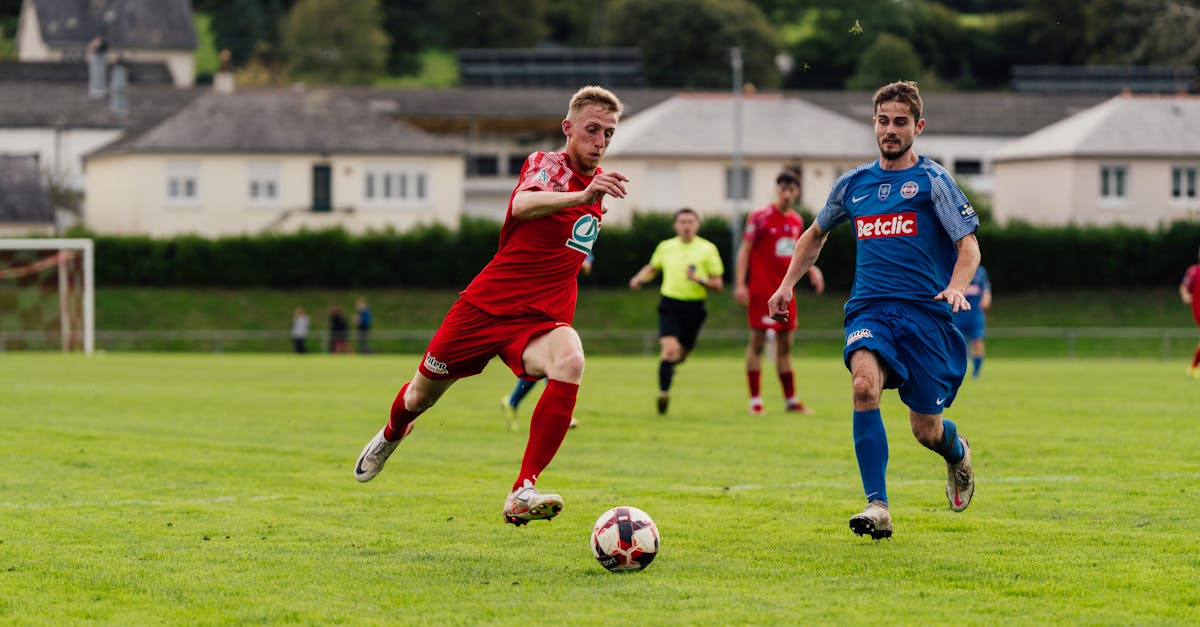
Beyond the Eye Test: A Modern Framework for Football Talent Identification
A practical framework for combining scouting, data and tactics in modern football talent identification and player evaluation.
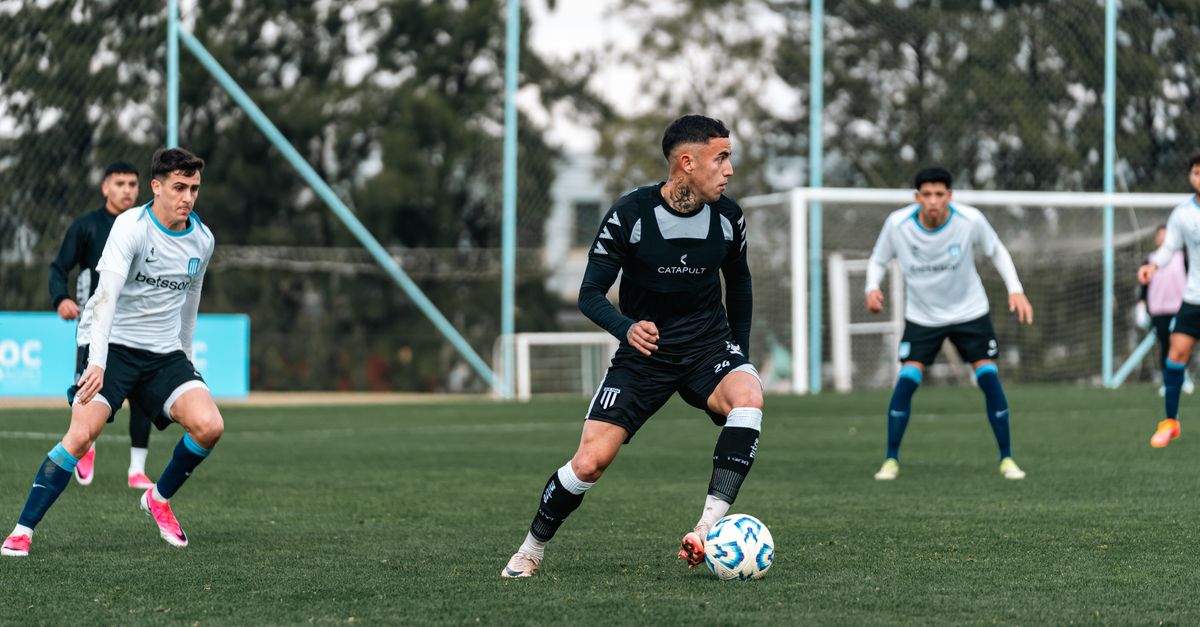
Reading the Game: What Defensive Player Attributes Reveal About Modern Football
How defensive player attributes reveal tactical identity, with a scouting guide to modern fullbacks and the defensive midfielder profile.

Winger Scouting Criteria: What Separates Elite Wide Players From the Rest
A practical breakdown of winger scouting criteria: technical, tactical and physical markers that separate elite wide players from the rest.